Projects - 17 December 2025

French Guiana: The Radio as a Resource to Fight Illiteracy

In French Guiana, more than one in three people struggle with reading and writing. In a multilingual territory where oral tradition is at the heart of culture, writing often remains a barrier. What if radio could become a tool to restore the confidence of young people and open new perspectives for them? That’s the project of the “Radio des mots” (Radio of Words) initiative, led by Libraries Without Borders in partnership with Making Waves, which offers teachers, facilitators, and trainers the opportunity to use the radio as a tool for learning and empowerment. 

Through the practice of oral expression, and the writing and reading of radio scripts, the project aims to strengthen fluency in French while fostering a vibrant and creative relationship with the written word. 

Radio, a springboard to learning 

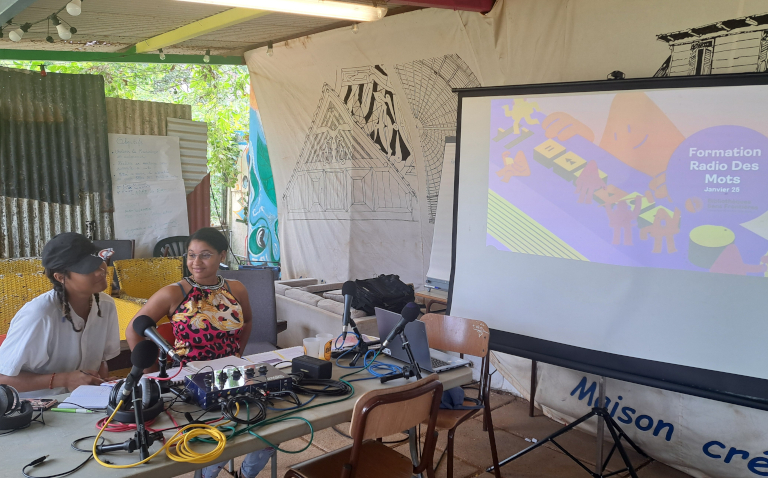
Given the educational challenges French Guiana faces, young people struggling in school often find themselves out of step with the system, slowing their social and professional integration. To address these issues, BSF and Making Waves designed “Radio des mots,” a program that puts radio in service of education. It supports educators in facilitating workshops and creating podcasts with their students or audiences, focusing on oral expression. 

An accessible and popular medium, radio proves to be an effective tool for helping young people overcome their fear of words and gain confidence. Through workshops, they learn to structure their thinking, work as a team, and expand their vocabulary. 

“Radio plays an essential role in fighting illiteracy by offering a learning method based on listening, oral expression, and creativity. It improves language proficiency, making learning more motivating and effective.” Marie Aquilli, Educational Coordinator for Europe at BSF.
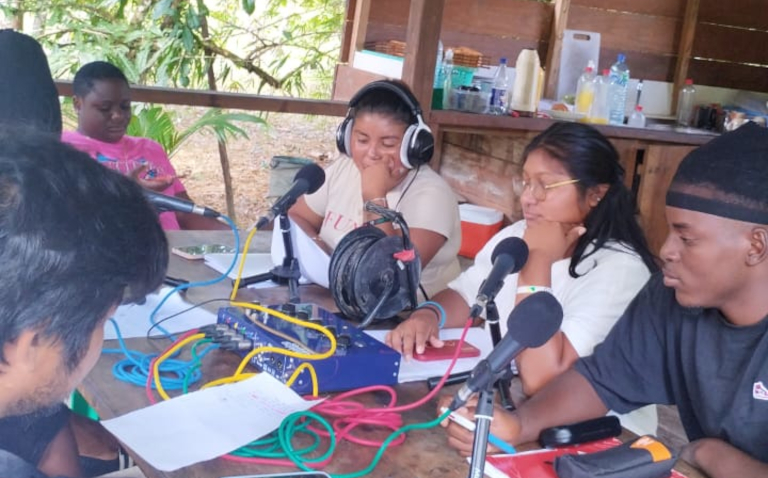
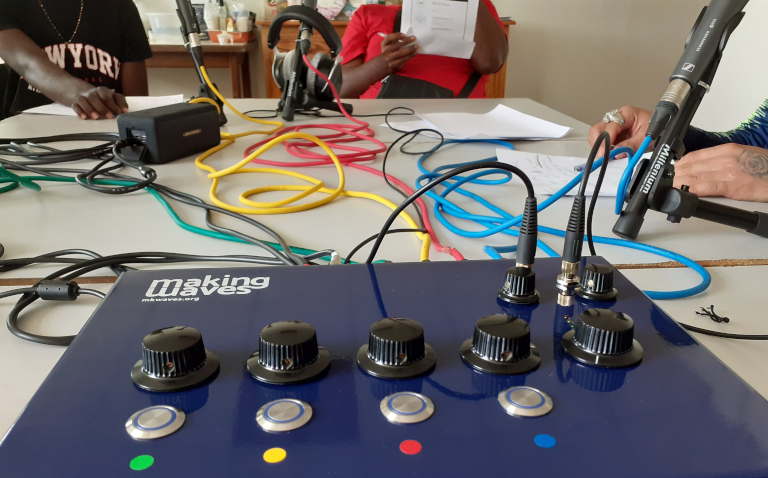
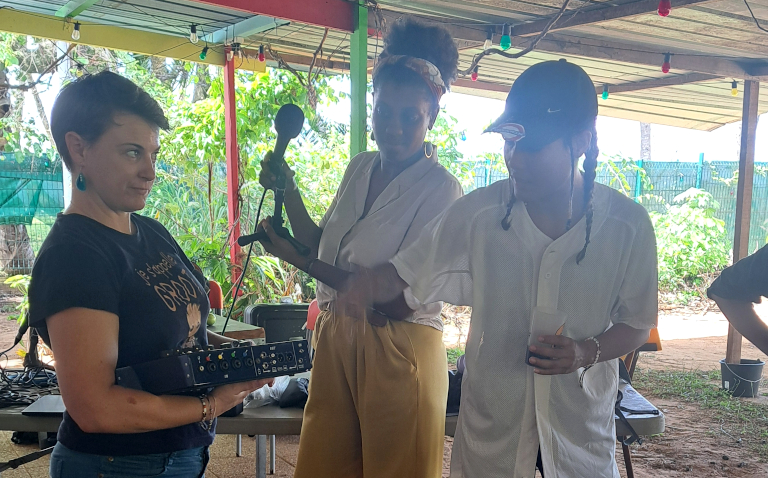
The “Radio des mots” program provides teachers with an educational kit including a practical guide, activity sheets, and a Radio Box. 

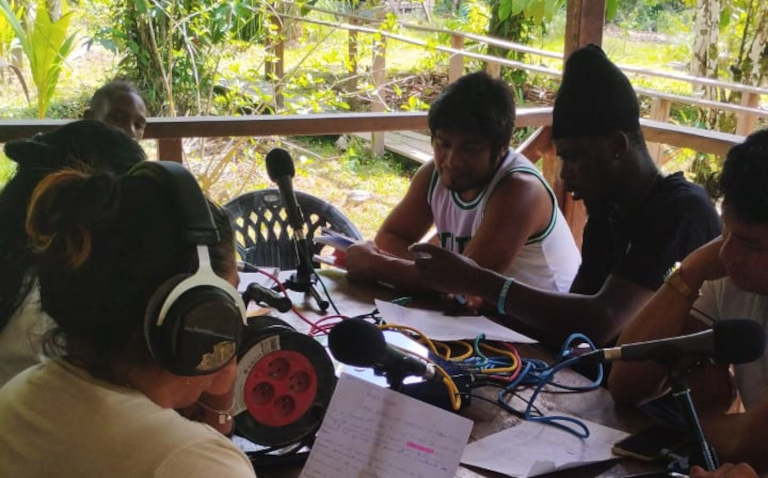
By supporting young people in producing their own broadcasts, the project invites them to learn about audio production. This experience allows them to develop their technical and creative skills while uncovering the joys of writing and self-expression. Whether writing a script, conducting an interview, or debating on air, each element of the project helps participants gain confidence and overcome their struggles with the written word. 

“At first, young people often clown around in front of the microphone, but quickly, they agree to engage in more structured activities. They quickly understand that a broadcast requires preparation, that you need to be clear and fluent to make listening pleasant. Despite their initial difficulties with French, they show real motivation and a desire to improve.” Mathieu Tetrel, teacher at UEAJ Cayenne, working with youth under judicial protection. 

“While they may initially seem somewhat skeptical of the Radio Box due to lack of confidence, once they get the hang of the tool, most of them feel more comfortable reading and expressing themselves. They’re entrusted with a role they take to heart: interviewee, host, or journalist! Moreover, this project gives them the feeling that they’re genuinely being heard, which is far from negligible for these young people who are heard too little.” Eïnel Risler, French as a Foreign Language instructor. 

Workshops and broadcast topics include rap, the journeys of local figures, interculturality, and more. 

“Radio helps young people gain self-confidence. It allows them to express themselves freely, whether through speech, song, or storytelling. It’s a living tool that makes learning concrete and motivating. Young people discover that they have a voice that matters. ‘Radio des mots’ offers them the opportunity to talk about their culture, their customs, their food, their environment, and everything that shapes their identity. They’re proud to share their stories and their origins. Thanks to the radio, they feel heard and valued. It’s a beautiful way to highlight the richness and diversity of Guianese youth.” Sandy François Burac, instructor – Faya Pëkën. 

Supported by the National Institute for Youth and Popular Education, the Ministry of Culture, the Territorial Collectivity of French Guiana and the VINCI Corporate Foundation for the City, and monitored by the National Agency for the Fight Against Illiteracy, Radio des Mots is part of a broader effort to combat educational and social exclusion. The program is now being piloted by numerous actors and partners in French Guiana working with youth: the educational activity day units of the PJJ in Cayenne and Saint-Laurent-du-Maroni, the training organization Faya Pëkën, the association Les Pas Mêlés, as well as several middle and high school teachers supported by Atelier Canopé 973. 

By promoting an inclusive educational approach, the program aims to inspire other initiatives in French Guiana and in other overseas territories. 

By focusing on radio, BSF and its partners have found that educational innovation can play a key role in the fight against illiteracy. Through it, voices are freed, words come to life, and young people regain confidence in themselves.