Projects - 10 October 2025

Ukraine: Learning Under Fire

“Education in a context of war is not only a source of knowledge, but also stability, routine, and hope. It is a lifeline: it restores a sense of normalcy to traumatized children; it offers connections and hope for the future.” 
Anastasiia Ponomariova, BSF partner in Ukraine. 


In the Kharkiv and Donetsk regions, on the front line in eastern Ukraine, war has disrupted the lives of thousands of children, adolescents, and their families. Destroyed schools, interrupted classes, daily life punctuated by fear: in this crisis context, access to education is a major challenge. Faced with this situation, Libraries Without Borders is deploying its innovative educational tools to enable young Ukrainians to continue their learning and benefit from essential psychosocial support. 

In times of war, the urgency of maintaining the link with education 

Since the conflict began in 2014, and with the intensification of fighting in 2022, thousands of schools have been partially or completely destroyed in the east of the country. According to UNICEF, approximately 40% of Ukrainian students now attend classes exclusively online, or in a mix of in-person and remote learning – exacerbating inequalities and weakening the educational journey of many children. 

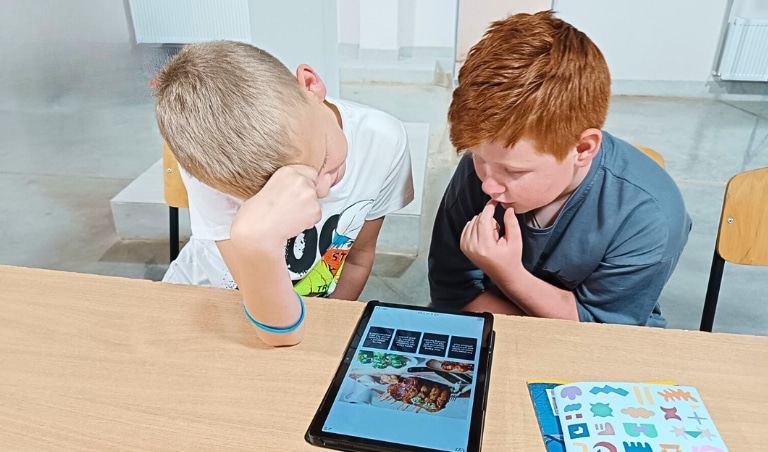
With the support of the Crisis and Support Centre of the Ministry for Europe and Foreign Affairs, BSF and the Norwegian Refugee Council are deploying four Ideas Box media libraries and twenty Ideas Cube digital libraries in several institutions, as well as in underground shelters, thus providing teachers and their students aged 6 to 17 with access to thousands of offline educational resources. 
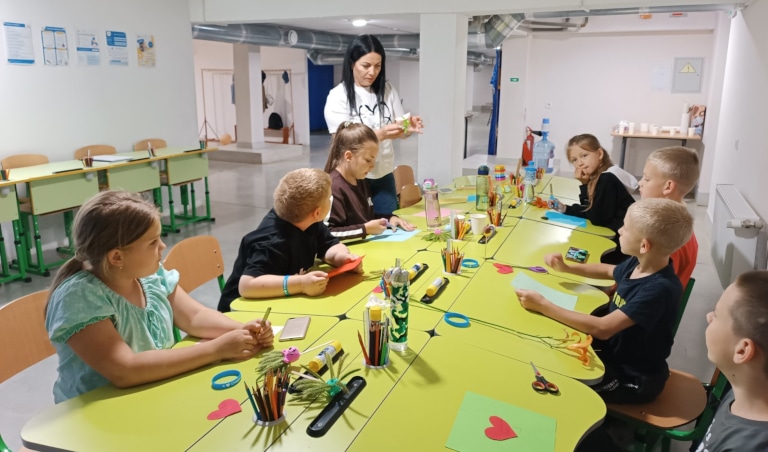
These tools, and the associated training, provide valuable support for teachers who are often isolated, helping them diversify their courses, experiment with new methods, and better adapt their teaching to the varying levels of their students. 

“The Ideas Cube has become a true knowledge base for teachers: teaching materials, videos, lesson ideas, and interactive content. Its autonomy makes it an ideal tool in frontline or isolated areas.” Anastasiia Ponomariova, Coordinator of the Mobile Education Brigade project and BSF partner. 

“School principals told us they had never had such a variety of creative materials — inspiring resources with an infinity of ideas for teachers.” Maryna, Project Manager at the SpivDiia Foundation, which leads the initiative in the Kharkiv region. 

A “sign of hope” for communities 

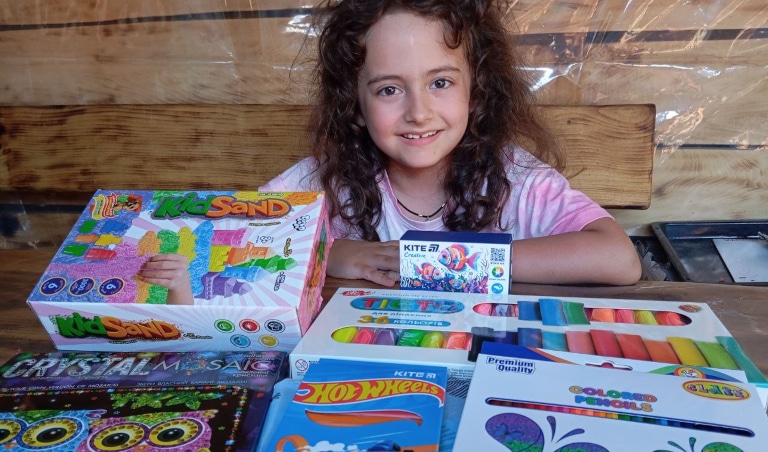
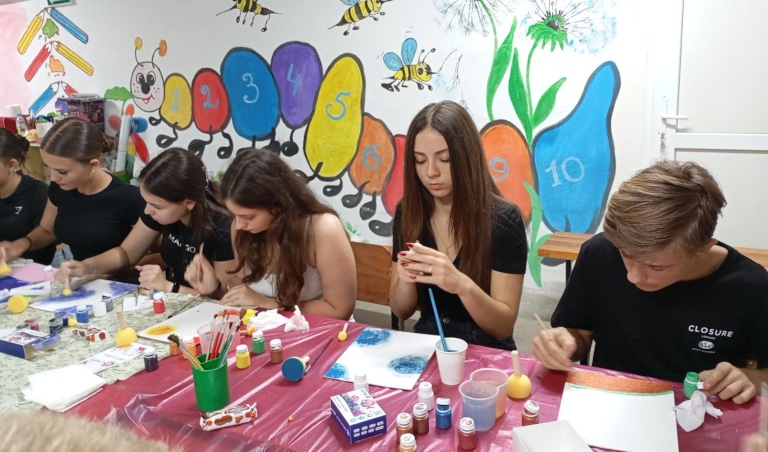
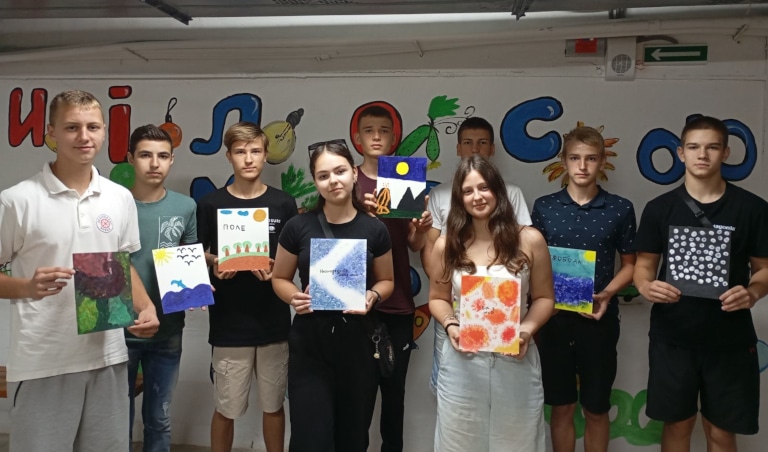
Facilitated by local NGOs, teachers, and psychologists, the Ideas Box spaces in Kharkiv and Kramatorsk are now true “safe spaces,” where children can participate, according to their needs, in academic catch-up workshops, language learning, educational games, or creative activities. 

For adolescents and young adults, teachers also organize workshops on mental health, protection, or life skills to promote gradual social reintegration. 

“Education also offers socialization, friendships, and positive emotions. The offline format in shelters has allowed children to rediscover interactions and group life. War must not steal their childhood.” Maryna. 

For families and frontline villages, these tools represent much more than simple academic support. They embody hope and solidarity in territories sometimes forgotten. 

“BSF’s tools have a major positive impact: they restore the educational process where it seemed impossible. Children rediscover the joy of learning, progressively fill their gaps, and develop key skills. For local communities, it’s a sign of hope.” Anastasiia. 

“What I remember most is the children’s joy. Despite the isolation of their small schools, they discover new tools that motivate them and show them that they are not alone.” Maryna. 

189

teachers trained

1,548

project beneficiaries

1,431

books, games school supplies, and digital resources selected

Sustainable support 

Intervening in contexts of war requires unwavering commitment and constant resilience from our teams and partners: 

“Our actions are not without challenges: security instability, permanent uncertainty for our teams and partners in the field, the trauma and distress of children growing up in an environment marked by fear, the loss of loved ones, and the immense pressure on teachers, who must support students while managing their own difficulties,” says Camille Popkoff, Country Representative for BSF in Kyiv. 

Despite these obstacles, our commitment and determination remain strong. In 2026, BSF aims to continue its support in schools, strengthen teacher training, and ensure the sustainability of the deployed systems.

Help us respond to the emergency and preserve access to education and psychosocial support for Ukrainian children and communities so as not to jeopardize their future.